A Ransomware Negotiator Just Pleaded Guilty to Federal Charges — This Changes the Game
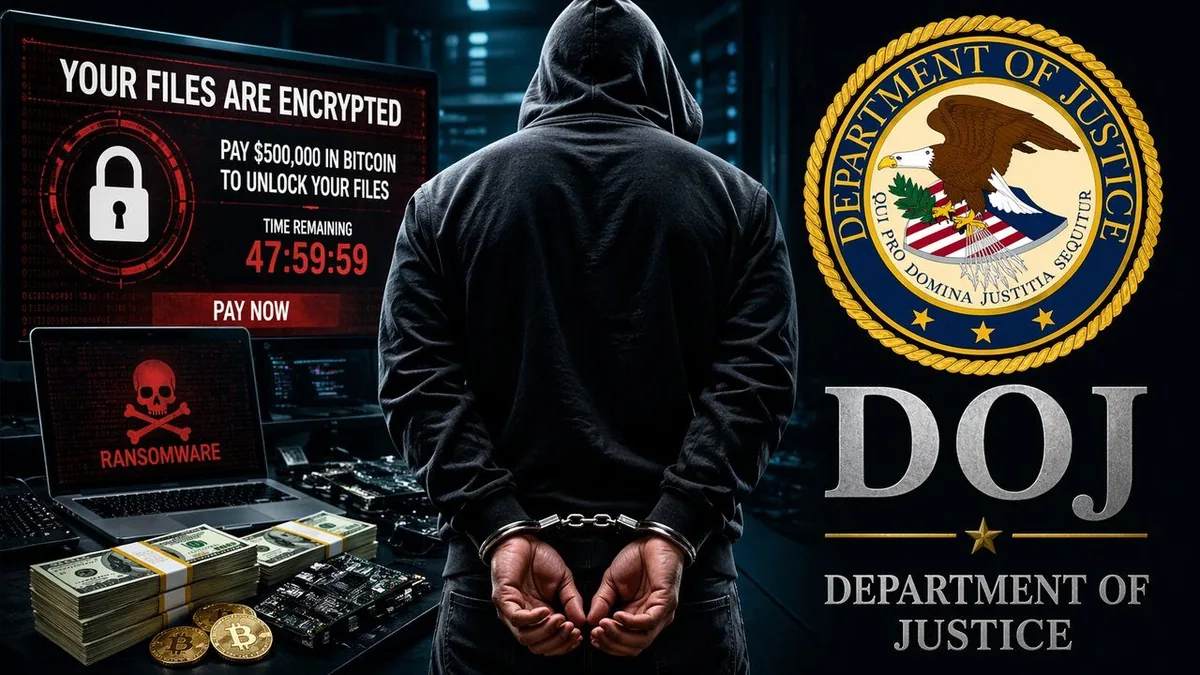
A ransomware negotiator has pleaded guilty to federal charges in a first-of-its-kind DOJ case that blurs the line between victim advocate and criminal accomplice. The cybersecurity industry is watching closely because this precedent makes an already dangerous situation worse.
What Actually Happened
The individual worked as a professional ransomware negotiator — hired by companies to communicate with ransomware gangs and manage the payment process. The DOJ charged them with facilitating ransom payments to sanctioned entities, which is a federal crime regardless of whether you're the attacker or the person arranging the transfer.
This case almost certainly involves one of the major ransomware groups sanctioned by OFAC — outfits like LockBit or Cl0p. Paying them, even through a professional intermediary, violates US Treasury rules.
The Impossible Position Companies Are In
Here is the core problem: companies facing ransomware often have no realistic alternative to paying. Critical infrastructure, hospitals, financial systems — when operations lock, business continuity overrides legal caution. Negotiators exist precisely because organizations need a professional buffer to manage this reality.
OFAC sanctions don't care about your business continuity plan. This year alone, high-profile security incidents keep putting companies in exactly this bind — pay and risk federal charges, or don't pay and risk operational collapse.
My Take
Prosecuting a ransomware negotiator while the actual ransomware gangs operate freely from sanctioned states is backwards enforcement. You're jailing the person minimizing harm, not maximizing it. The DOJ needs to think harder about where it applies legal pressure — targeting facilitators without addressing the root cause is theater, not policy.
Frequently Asked Questions
What is a ransomware negotiator?
A specialist hired by ransomware victims to communicate with attackers, reduce ransom demands, and manage payment when companies decide to pay.
Why is paying ransomware groups illegal?
Ransomware groups sanctioned by OFAC cannot legally receive payments from US-linked entities — violating this is a federal crime regardless of intent.
What should companies do instead?
Maintain offline backups, implement zero-trust architecture, and have a pre-built incident response plan ready before an attack happens.