40% of US Data Centers Due in 2026 Are Facing Delays — Microsoft and OpenAI Projects Slipping 3+ Months
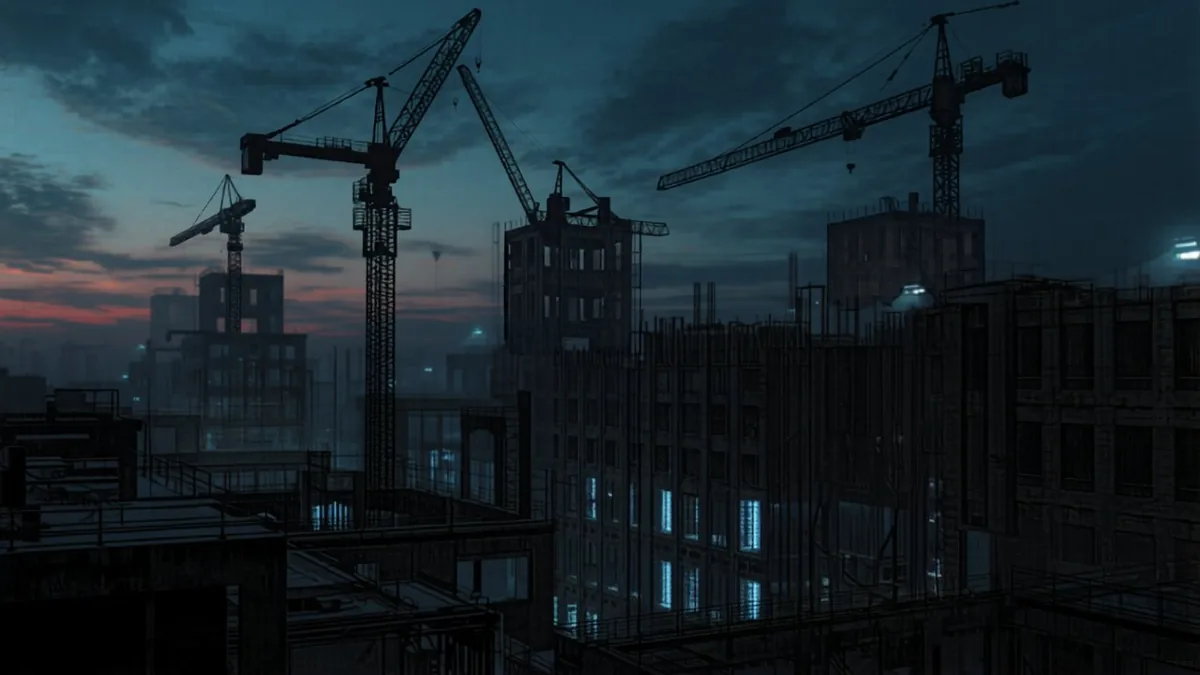
Nearly 40% of US data centers scheduled to come online in 2026 are facing significant delays, according to new analysis from SynMax. Major infrastructure projects for Microsoft, OpenAI, and other tech giants are likely to end more than three months behind schedule — a bottleneck that could constrain AI compute capacity at a time when demand is accelerating faster than anyone predicted.
What Is Causing the Delays
The delays stem from multiple compounding factors: electrical grid connection backlogs, permitting complexity in local jurisdictions, supply chain constraints on custom equipment like transformers and cooling systems, and labor shortages for specialized data center construction. Some sites are waiting 18 months or more for utility grid interconnection approvals — a fundamental constraint that can't be solved by simply throwing more money at the problem.
Microsoft and OpenAI's Exposure
Microsoft has announced aggressive data center expansion plans tied to its AI services and OpenAI partnership. OpenAI is simultaneously building out its own infrastructure for training next-generation models. Both have publicly committed to timelines that now appear difficult to meet given the construction environment. Delays of three or more months don't just create cost overruns — they can shift competitive positioning in a market where compute access is a primary differentiator.
The Grid Problem
Electrical infrastructure is the most intractable constraint. US power grids were not designed for the load that AI data centers require, and upgrading them involves utilities, regulators, and multi-year permitting processes that operate on timelines completely disconnected from tech industry urgency. Some data center projects are effectively stranded — built or nearly built, but unable to power on because grid capacity isn't available.
Geopolitical and Economic Implications
Data center delays aren't just an operational problem for tech companies — they have strategic implications for US AI competitiveness. If US infrastructure can't scale fast enough to meet demand, AI workloads may shift to other geographies with more available power, potentially including locations with different data privacy and governance frameworks. The infrastructure gap is real, and the solutions require policy interventions that are moving too slowly.
The Bottom Line
The AI compute buildout has hit a physical infrastructure wall. Nearly 40% delays across planned US data centers isn't a temporary blip — it's a structural constraint that will shape which companies can scale AI services and when. The constraint isn't money or ambition. It's electricity, permits, and physical construction reality.
Related Articles
- US Tech Giants Lobbied EU to Hide Data Centers' Environmental Impact
- EU Awards €180M Sovereign Cloud Contract to European Providers
- Cerebras Files for Nasdaq IPO With $510M Revenue