11 Best Cold Weather Travel Destinations for 2026
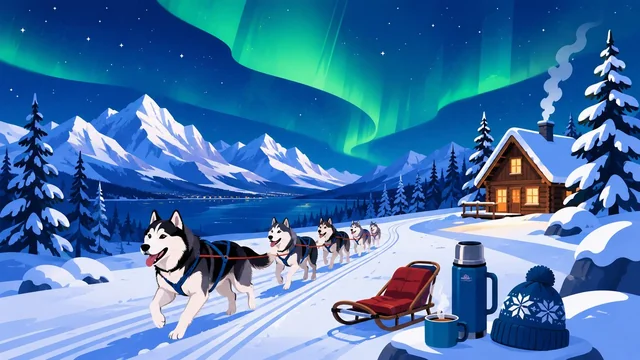
If your idea of a perfect trip involves snow on your boots, geothermal springs after a hike, the Northern Lights overhead, and a heavy stew at the end of the day — these are the places to plan a 2026 trip around. Eleven destinations across Europe, North America and Asia, picked for the strength of the cold-weather experience itself: not just places that happen to be cold, but places where winter is the point. Sorted roughly cheapest to most premium, with the best months to go and what makes each special.
Quick comparison
| Destination | Best months | Known for |
|---|---|---|
| Tromsø, Norway | Nov–Mar | Northern Lights + Arctic fjords |
| Reykjavik & the Golden Circle, Iceland | Nov–Feb | Geothermal springs, glaciers, aurora |
| Rovaniemi (Lapland), Finland | Dec–Feb | Santa village, husky sledding, ice hotels |
| Hokkaido (Sapporo & Niseko), Japan | Dec–Feb | Best powder skiing in the world + ice festivals |
| Banff & Lake Louise, Canada | Dec–Mar | Frozen lakes, dramatic Rockies, world-class skiing |
| Quebec City, Canada | Jan–Feb | Winter Carnival, Ice Hotel, old-city cobblestone |
| Vienna, Austria | Dec | Christmas markets + classical concerts |
| Salzburg + Hallstatt, Austria | Dec–Feb | Storybook villages, Alpine views, ski day-trips |
| Jasper or Yellowknife, Canada (Aurora) | Nov–Mar | Aurora-belt + ice-road driving |
| Harbin, China (Ice Festival) | Jan | Vast illuminated ice sculptures, the largest in the world |
| Svalbard, Norway | Feb–Mar (light returns) | Polar bears, Arctic expedition, dog sledding |
1. Tromsø, Norway — the Northern Lights capital
Sitting at 69° N, Tromsø is the most-recommended Northern Lights destination in Europe in 2026 — partly because of the high statistical aurora frequency (it’s under the auroral oval all winter), partly because the city itself is genuinely interesting (cathedrals, fjord cruises, Arctic restaurants). The weather is milder than you’d expect from the latitude thanks to the Gulf Stream — typically −3 to −8 °C in mid-winter, not −30. Best season Nov–Mar.
2. Reykjavik and the Golden Circle, Iceland
Iceland is the all-rounder of cold-weather destinations — you can drive the Golden Circle (Thingvellir, Gullfoss, Geysir) in a day, soak in the Blue Lagoon and Sky Lagoon, see aurora most clear winter nights, and tour a glacier or ice cave. Avoid mid-summer (no darkness for aurora) and aim for Nov–Feb. Plan car-rental + studded tyres if self-driving; otherwise book multi-day tour packages out of Reykjavik.
3. Rovaniemi (Lapland), Finland — the Santa town
Rovaniemi sits on the Arctic Circle and has turned the Santa Claus theme into a serious cold-weather destination. Husky sledding, reindeer rides, snowmobile safaris, glass igloos under the aurora at the Kakslauttanen Arctic Resort or Arctic SnowHotel. The town itself has the official "Santa Claus Village" but the experiences in the surrounding wilderness are the real reason to go. Family-friendly base; book lodging 8–12 months out for late December.
4. Hokkaido — Sapporo + Niseko, Japan
Niseko, the resort area on Hokkaido’s western coast, has the best powder snow in the world — 15–20 metres per season of dry, light snow, world-class skiing and snowboarding. Sapporo, the prefectural capital, runs the Sapporo Snow Festival in February with massive ice sculptures in Odori Park. Combine ski + ramen + onsen + Hokkaido seafood. Direct flights from many Asian capitals; Tokyo is a 90-minute domestic flight away.
5. Banff & Lake Louise, Canada — the Rockies in winter
The Canadian Rockies in winter are postcard-perfect — turquoise lakes frozen and snow-dusted, the dramatic peaks rising behind, world-class skiing at Lake Louise, Sunshine Village and Mount Norquay. Banff town itself is small and walkable, with hot springs (Banff Upper Hot Springs) and a tight collection of restaurants. Aim for Dec–Mar; January and February are the most reliable for snow.
6. Quebec City, Canada — old Europe in North America
The walled old city, Château Frontenac on the cliff, cobblestone streets dusted with snow, the Carnaval de Québec in late January / early February with ice palaces and dog-sled racing through the streets. The Hôtel de Glace (Ice Hotel) reopens annually with new themed ice suites. Easy direct flights from US East Coast and most Canadian cities; you can do the whole trip in 4–5 days.
7. Vienna, Austria — Christmas markets + opera
Vienna in December turns into one of the great Christmas-market cities — Rathausplatz, Schönbrunn Palace, Belvedere, Spittelberg all run their own markets with mulled wine, lebkuchen, handmade ornaments. Pair with classical concerts (the Vienna Philharmonic, the Mozart-themed evening concerts at the Schönbrunn Orangery), apple strudel and warm coffee in classical cafés. Best from late November through 23 December.
8. Salzburg + Hallstatt, Austria — storybook Alpine villages
Salzburg (Mozart’s birthplace, Sound of Music locations) is a 90-minute train from Vienna and runs its own winter program. From Salzburg, day-trip to Hallstatt (the lakeside village so photogenic that a Chinese real-estate developer built a full-scale replica in Guangdong). Combine with ski day-trips to nearby Austrian resorts like Obertauern, Schladming or Zell am See.
9. Yellowknife or Jasper, Canada — pure aurora chasing
If your goal is "see the aurora and nothing else", Yellowknife (Northwest Territories) and Jasper (Alberta’s Dark Sky Preserve) have higher statistical aurora frequency than even Tromsø. Yellowknife’s "Aurora Village" runs guided heated-teepee viewing nights; Jasper hosts an annual Dark Sky Festival in October. Colder than Norway — expect −20 to −35 °C in deep winter — so dress for it.
10. Harbin, China — the world’s largest ice festival
The Harbin International Ice and Snow Sculpture Festival (5 January to late February, usually) is the largest such event in the world — entire stone-castle-sized buildings carved from ice blocks pulled from the Songhua River, lit from within with multi-coloured LEDs. Russian-influenced architecture in the old town adds context; Harbin beer is reputed to be the country’s best. Cold: routinely −25 °C and lower. Visa policy for China relaxed substantially through 2024–2025 for many nationalities, making it more accessible than it was.
11. Svalbard, Norway — the Arctic expedition pick
Svalbard is the northernmost permanently inhabited settlement on Earth — an archipelago halfway between mainland Norway and the North Pole. The mid-February to March window is the sweet spot: light returning after the polar night, snow at its deepest, polar-bear sightings on snowmobile expeditions out of Longyearbyen. Premium pricing, premium experience — you’ll spend $400–$800 / night for lodging plus expedition costs. Pack expedition-grade clothing; this is the real Arctic, not "winter holiday cold".
Planning notes for 2026 winter travel
- Book early. December and February are the peak windows for almost every destination above. Norway, Iceland and Finland glass-igloo lodging often sells out 9–12 months in advance.
- Aurora is not guaranteed. Multiple-night stays raise the odds; mobile apps like My Aurora Forecast give 24–48 hour KP-index predictions.
- Layered clothing matters more than expensive gear. Merino-wool base, fleece mid, hardshell jacket + trousers. Wool socks, waterproof boots one size up to fit thick socks.
- Travel insurance with cold-weather coverage. Standard policies sometimes exclude snowmobile, dog-sledding and certain backcountry activities — verify before assuming you’re covered.
- Flight + transit considerations. Direct flights to Reykjavik, Helsinki, Sapporo, Calgary (for Banff) make those destinations meaningfully easier. Svalbard requires a connection through Oslo or Tromsø.
Frequently asked questions
What is the best cold-weather destination for seeing the Northern Lights?
For first-time aurora hunters, Tromsø (Norway) gives the best balance of high aurora frequency, mild Arctic temperatures (Gulf-Stream-warmed), and a charming base city. For statistically higher aurora odds with a more rugged experience, Yellowknife (Canada) and Rovaniemi (Finland) are stronger but colder. Iceland is best if you want aurora alongside other cold-weather attractions (glaciers, geothermal pools) rather than aurora-first.
Which is more affordable, Iceland or Finland in winter?
Both are expensive by European standards. Iceland tends to be slightly cheaper for food and self-drive packages, but more expensive for tours and hotels. Finland (Rovaniemi) is generally cheaper than Iceland for guided experiences (husky sledding, snowmobile safaris) but the glass-igloo lodging is premium. Budget at least $200–$300 / day per person for either, mid-tier.
Is Hokkaido worth a trip just for the snow?
If you ski or snowboard, yes — Niseko, Furano and Rusutsu have what skiers routinely describe as the world’s best powder. Even non-skiers get plenty (Sapporo Snow Festival, onsen / hot springs, Hokkaido cuisine), but the snow is the draw. Combine with a few days in Tokyo or Kyoto to make the long-haul flight pay off.
When is the Harbin Ice Festival in 2026?
The official opening is 5 January 2026 and the festival runs through late February. The two main attractions are the Ice and Snow World on Sun Island (the giant illuminated sculptures) and the Snow Sculpture Art Expo. Plan 3–4 days minimum to take in both plus the old town. Mid-January is the coldest and busiest; late January through early February has slightly milder weather but the sculptures are at peak quality.
How cold does Svalbard actually get?
In winter (Dec–Mar), daytime temperatures typically range from −15 to −25 °C in Longyearbyen, the main settlement. With wind chill in the open Arctic, effective temperature can hit −40 °C on snowmobile expeditions. The polar night runs roughly mid-November to late January (no sun); aurora opportunities are best then, but cold-weather experiences are best in the Feb–Mar window when light is returning.