10 Mistakes to Avoid When Writing a Resume
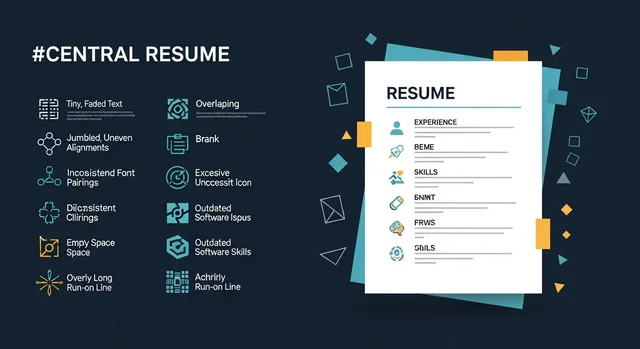
In today's competitive job market, your resume faces an uphill battle before it even reaches human eyes. With artificial intelligence screening systems rejecting approximately 75% of resumes automatically, and hiring managers spending less than 7 seconds on initial resume reviews, crafting a flawless resume has never been more critical. The landscape of resume writing has dramatically evolved in 2025, with new technologies, changing employer expectations, and modern formatting standards reshaping how job seekers present themselves professionally.
The stakes are higher than ever. Research shows that resumes with quantified achievements receive 40% more callbacks than those without measurable results. Meanwhile, outdated resume practices that worked just five years ago can now be the kiss of death for your job application. From AI-powered Applicant Tracking Systems (ATS) to sophisticated resume screening algorithms, the modern job search requires a strategic approach that balances human appeal with machine readability.
This comprehensive guide reveals the most critical resume mistakes to avoid in 2025, incorporating the latest insights on ATS optimization, AI screening systems, and modern hiring practices. Whether you're a recent graduate entering the workforce or a seasoned professional looking to advance your career, understanding these pitfalls can be the difference between landing your dream job and having your resume disappear into the digital void.
Understanding the Modern Resume Landscape in 2025
The resume review process has undergone a complete transformation. Today's hiring process typically involves multiple layers of screening, starting with AI-powered systems that scan for keywords, formatting, and relevance before any human ever sees your application. Understanding this new reality is crucial for resume success.
Modern Applicant Tracking Systems have become increasingly sophisticated, using natural language processing and machine learning algorithms to evaluate candidates. These systems don't just look for keyword matches anymore—they analyze context, assess skill relevance, and even evaluate the logical flow of your career progression. This evolution means that traditional resume tactics like keyword stuffing are not only ineffective but can actually hurt your chances.
The 10 Critical Resume Mistakes to Avoid in 2025
1. Ignoring ATS Optimization Requirements
The most devastating mistake job seekers make is failing to optimize their resumes for Applicant Tracking Systems. With 98% of Fortune 500 companies using ATS software, your resume must be machine-readable before it can impress human recruiters. This means avoiding complex formatting, graphics, tables, and unusual fonts that can confuse parsing algorithms.
To optimize for ATS, use standard section headings like "Work Experience," "Education," and "Skills." Avoid creative alternatives like "My Journey" or "Where I've Been." Save your resume as both a .docx and .pdf file, as different systems prefer different formats. Include relevant keywords from the job posting naturally throughout your resume, but focus on context rather than repetition.
2. Including Outdated Skills and Technologies
One of the quickest ways to date yourself professionally is by listing outdated skills that are now considered basic competencies. In 2025, including skills like "Microsoft Office," "Email," or "Internet Research" is equivalent to listing "Can operate a telephone" on a 1990s resume. These skills are assumed and take up valuable space that could showcase more relevant capabilities.
Instead, focus on current, industry-specific technologies and skills. For example, list specific software platforms, programming languages, or digital marketing tools relevant to your field. If you work in data analysis, mention Python, R, or Tableau rather than generic "computer skills." For marketing professionals, highlight experience with marketing automation platforms, CRM systems, or social media management tools.
3. Failing to Quantify Achievements
Generic job descriptions without measurable results are resume killers in 2025. Hiring managers and AI systems alike prioritize candidates who can demonstrate concrete impact through numbers, percentages, and specific outcomes. Resumes with quantified achievements receive 40% more callbacks because they provide clear evidence of a candidate's value proposition.
Transform vague statements like "Managed a team" into powerful achievements such as "Led a cross-functional team of 12 members, resulting in a 25% increase in project delivery speed and $150,000 in cost savings over 18 months." Every bullet point should ideally include a number, whether it's budget size, team members managed, percentage improvements, or revenue generated.
4. Using Inappropriate Resume Length
The old "one-page rule" is outdated and can actually hurt experienced professionals. In 2025, resume length should be based on your experience level and industry requirements. Entry-level candidates with less than 5 years of experience should stick to one page, while mid-level professionals (5-15 years) can use 1-2 pages. Senior executives and professionals with extensive experience may require 2-3 pages to adequately showcase their achievements.
The key is using space efficiently. Every line should add value and support your candidacy. If you're struggling to fit everything on one page as a recent graduate, you're likely including irrelevant information or using inefficient formatting. Conversely, if you're a senior professional cramming 15 years of experience onto one page, you're probably underselling your accomplishments.
5. Poor Formatting and Design Choices
Modern resume formatting requires balancing visual appeal with ATS compatibility. While creative designs might catch a human recruiter's eye, they often cause parsing errors in AI screening systems. The safest approach is clean, professional formatting with plenty of white space, consistent font usage, and clear section divisions.
Use a standard font like Arial, Calibri, or Times New Roman in 10-12 point size. Avoid text boxes, columns, headers, footers, and graphics that can confuse ATS systems. Stick to standard bullet points rather than custom symbols or icons. Your resume should look professional when printed in black and white, as many hiring managers still prefer printed copies for interviews.
6. Falling Into AI Resume Writing Pitfalls
With the rise of AI writing tools, many job seekers are using artificial intelligence to create their resumes. While these tools can be helpful for brainstorming and initial drafts, over-reliance on AI can create several problems. AI-generated content often lacks personalization, uses generic language that doesn't reflect your unique voice, and may include information that doesn't accurately represent your experience.
More concerning is that sophisticated ATS systems in 2025 can detect AI-generated content patterns. Resumes that appear obviously AI-written may be flagged or deprioritized. If you use AI tools for assistance, ensure you heavily customize the output, add personal details and specific examples, and maintain your authentic professional voice throughout the document.
7. Including Irrelevant Personal Information
Modern resumes should focus exclusively on professional qualifications and relevant experience. Including personal information like age, marital status, religious affiliation, political views, or hobbies unrelated to the job can create unconscious bias and may even violate anti-discrimination practices in some regions.
The exception is when personal interests directly relate to job requirements or company culture. For example, mentioning marathon running for a fitness company role or volunteer leadership experience when applying for management positions can be relevant. However, the default should be keeping personal information to a minimum and focusing on professional achievements.
8. Neglecting Industry-Specific Keywords
Each industry has its own language, and failing to use appropriate terminology can immediately signal that you're not a good fit. AI screening systems are programmed to recognize industry-specific keywords, certifications, and skill sets. Research job postings in your target field to identify commonly used terms and incorporate them naturally into your resume.
However, avoid keyword stuffing, which involves cramming irrelevant keywords into your resume just to pass ATS screening. Modern AI systems can detect this practice and may penalize your application. Instead, focus on genuinely relevant keywords that accurately describe your experience and skills.
9. Providing Inconsistent or Inaccurate Information
In the age of digital verification, inconsistencies between your resume, LinkedIn profile, and other professional platforms are quickly discovered. Hiring managers routinely cross-reference information, and discrepancies in dates, job titles, or company names can immediately disqualify you from consideration.
Ensure all dates are accurate, job titles match official records, and your professional narrative is consistent across all platforms. If you need to explain gaps in employment or career changes, do so honestly and positively. It's better to address potential concerns upfront than to have them discovered during background checks.
10. Using Generic, One-Size-Fits-All Resumes
Perhaps the most critical mistake in 2025 is using the same resume for every application. With AI systems analyzing relevance and fit for specific roles, generic resumes perform poorly compared to customized versions. This doesn't mean completely rewriting your resume for each application, but rather adjusting emphasis, keywords, and relevant experience to match job requirements.
Create a master resume with all your experience and achievements, then customize versions for different types of roles or industries. This targeted approach significantly improves your chances of passing both AI screening and human review processes.
2025 Resume Formatting Guidelines
Modern resume formatting requires careful attention to both visual appeal and technical compatibility. Start with a clean, professional header containing your name, phone number, email address, and LinkedIn URL. Avoid including your full address—city and state are sufficient for privacy and space considerations.
Structure your resume with clear sections in logical order: Professional Summary, Core Competencies/Skills, Professional Experience, Education, and relevant additional sections like Certifications or Publications. Use consistent formatting throughout, with the same font, bullet style, and spacing for similar elements.
For section headings, use slightly larger font sizes (14-16 points) and bold formatting to create clear visual hierarchy. Ensure adequate white space between sections to improve readability. Remember that hiring managers often scan resumes quickly, so information should be easy to locate and digest.
ATS Optimization Strategies for 2025
| ATS Optimization Factor | Best Practice | Common Mistake | Impact on Success Rate |
|---|---|---|---|
| File Format | .docx or .pdf (as specified) | Using .jpg or .png files | +65% parsing success |
| Font Choice | Arial, Calibri, Times New Roman | Decorative or custom fonts | +45% readability score |
| Section Headers | Standard terms (Work Experience, Education) | Creative headers (My Journey, Learning Path) | +55% section recognition |
| Keyword Integration | Natural placement throughout content | Keyword stuffing or hidden text | +40% relevance scoring |
| Contact Information | Plain text in header | Images or text boxes | +80% contact extraction |
| Date Formatting | MM/YYYY or Month Year format | Inconsistent date formats | +35% timeline parsing |
The Role of AI in Modern Resume Screening
Understanding how AI screening systems evaluate resumes is crucial for success in 2025. These systems use sophisticated algorithms to assess multiple factors simultaneously, including keyword relevance, experience progression, skill alignment, and even writing quality. The most advanced systems can identify career gaps, evaluate job stability, and assess whether your background matches the role requirements.
AI screening systems also analyze the logical flow of your career progression. Frequent job changes without clear advancement or skill development may be flagged as concerning. Conversely, steady progression with increasing responsibilities and relevant skill acquisition is viewed favorably. This means your resume should tell a coherent professional story that demonstrates growth and development.
Industry-Specific Resume Considerations
Different industries have varying expectations for resume content and format. Technology roles typically require detailed technical skill sections and may accept longer resumes to accommodate comprehensive project descriptions. Creative industries might allow for more design flexibility, though ATS compatibility remains important. Healthcare and finance sectors often require specific certifications and compliance training to be prominently featured.
Research your target industry's norms and expectations. Professional associations, industry publications, and networking contacts can provide valuable insights into what hiring managers in your field prioritize. This research should inform both your content choices and formatting decisions.
Building an ATS-Friendly Skills Section
Your skills section requires strategic thinking in 2025. Rather than listing every skill you possess, focus on the most relevant and current competencies for your target roles. Organize skills into categories such as Technical Skills, Leadership Competencies, and Industry Knowledge to improve readability and ATS parsing.
Include both hard and soft skills, but emphasize measurable, technical competencies that can be easily verified. For each major skill, consider including your proficiency level and years of experience. This approach helps both AI systems and human recruiters quickly assess your qualifications.
Common Resume Red Flags in 2025
Certain resume elements immediately raise concerns for hiring managers and can trigger negative responses from AI screening systems. Employment gaps without explanation, frequent job changes without advancement, declining job responsibilities, and outdated contact information all create negative impressions.
Other red flags include obvious typos and grammatical errors, inconsistent formatting, missing or incomplete contact information, and generic objective statements that could apply to any job. Professional email addresses are essential—avoid using outdated providers or unprofessional usernames that might create negative first impressions.
Frequently Asked Questions
How long should my resume be in 2025?
Resume length should match your experience level. Entry-level professionals (0-5 years) should use one page, mid-level professionals (5-15 years) can use 1-2 pages, and senior executives may require 2-3 pages. The key is using space efficiently and ensuring every line adds value to your candidacy.
Should I include a photo on my resume?
In most countries and industries, photos on resumes are discouraged and may even be problematic for legal compliance reasons. Photos can also cause ATS parsing issues. Unless specifically requested or standard in your industry/region, avoid including photos on your resume.
How do I handle employment gaps on my resume?
Address employment gaps honestly and positively. If you were developing skills, caring for family, or dealing with health issues, briefly explain the gap in your cover letter or professional summary. Focus on any relevant activities, volunteer work, or learning that occurred during the gap period.
Can I use AI tools to write my resume?
AI tools can be helpful for brainstorming and initial drafts, but over-reliance can create generic content that lacks personalization. Modern ATS systems can detect obviously AI-generated content. Use AI as a starting point, then heavily customize with your specific experiences, achievements, and professional voice.
What file format should I use for my resume?
Use .docx format unless specifically requested otherwise. While PDF preserves formatting, some ATS systems have difficulty parsing PDF files. Save both versions and use the format specified in the job posting. Ensure your resume displays correctly in both formats before submitting.
How many keywords should I include in my resume?
Focus on natural keyword integration rather than specific numbers. Include relevant keywords from the job posting throughout your resume, but ensure they fit naturally within the context of your experience descriptions. Keyword stuffing can be detected by modern AI systems and may hurt your chances.
Should I include references on my resume?
Don't include references or "References available upon request" on your resume. This information takes up valuable space and is typically requested later in the hiring process. Use the space instead for relevant achievements and qualifications that support your candidacy.
How often should I update my resume?
Update your resume every 3-6 months or whenever you gain new skills, complete significant projects, or change roles. Regular updates ensure you don't forget important achievements and keep your resume current with industry trends and requirements.
What's the biggest resume mistake job seekers make in 2025?
The biggest mistake is using generic, one-size-fits-all resumes for every application. With AI screening systems analyzing relevance and fit, customized resumes that align with specific job requirements significantly outperform generic versions. Take time to tailor your resume for each application.
How can I make my resume stand out to both AI and human reviewers?
Balance ATS optimization with human appeal by using clean formatting, relevant keywords, quantified achievements, and compelling professional narratives. Focus on results and impact rather than just job duties. Ensure your resume tells a coherent story of professional growth while remaining technically compatible with screening systems.
Mastering resume writing in 2025 requires understanding both technological requirements and human psychology. By avoiding these critical mistakes and implementing modern best practices, you'll significantly improve your chances of passing AI screening systems and impressing hiring managers. Remember that your resume is a marketing document designed to secure interviews, not just list your work history. Invest the time to craft a compelling, optimized resume that positions you as the ideal candidate for your target roles.