10 Energy Optimization Tips: Make Your Home and Life More Efficient
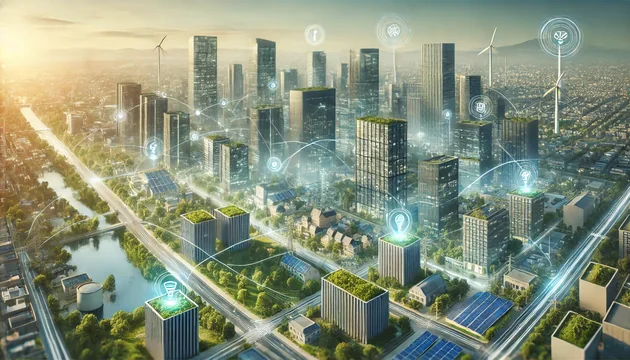
Energy optimization isn't just about cutting costs; it's about living smarter, reducing waste, and making your environment more sustainable. From the everyday habits we adopt to the way we maintain our homes, small changes can make a big difference in energy efficiency. Here are ten practical tips that anyone can implement to optimize energy usage at home.
1. Switch to LED Lighting
Remember those old incandescent bulbs that seemed to burn out every few months? They're also notorious energy guzzlers. Replacing these with LED bulbs is one of the simplest ways to reduce your energy consumption. LED lights use up to 80% less energy and last significantly longer. You won't just see the difference in your electricity bill"”you'll spend less time on the ladder changing bulbs.
Human Tip: Think of it like swapping out an old clunky car for a sleek, fuel-efficient model. The upfront cost might be higher, but the long-term savings are worth it. Plus, with the variety of LED options available, you can still set the perfect mood lighting in every room.
2. Unplug Appliances When Not in Use
Have you ever noticed how your phone charger stays warm even after you've unplugged your phone? That's because it's still drawing power. Many appliances, especially chargers, TVs, and computers, use energy even when turned off"”this is often called "phantom" or "standby" power. By unplugging devices when they're not in use, or using a power strip to easily switch off multiple items, you can reduce this unnecessary energy drain.
Human Tip: Imagine it as leaving the faucet running all day. Sure, it's just a trickle, but over time, it adds up. Unplugging is like turning off that faucet.
3. Optimize Your Thermostat Settings
Setting your thermostat just a few degrees higher in the summer and a few degrees lower in the winter can make a significant impact on your energy consumption. Programmable thermostats allow you to adjust the temperature based on your schedule, so you're not heating or cooling an empty house. Some smart thermostats even learn your preferences over time and make adjustments automatically.
Human Tip: It's like dressing in layers when it's cold outside. You wouldn't wear a heavy coat inside, just as you don't need to keep your home at a toasty 72°F all winter. Find a comfortable balance, and let your thermostat do the work.
4. Seal Windows and Doors
Drafts can be a major source of energy loss, especially in older homes. If you can feel a breeze coming through your windows or doors when they're closed, it's time to seal those leaks. Weather stripping, caulking, or even heavy curtains can help keep your home insulated, reducing the strain on your heating and cooling systems.
Human Tip: Think of it like wrapping up in a warm blanket on a cold night. Sealing your windows and doors is the blanket for your house, keeping the warm air in and the cold air out.
5. Use Energy-Efficient Appliances
When it's time to replace an old appliance, choose models that have the ENERGY STAR label or similar energy efficiency certifications. These appliances are designed to use less energy while still delivering the performance you need. Whether it's a refrigerator, washing machine, or even a water heater, energy-efficient models can significantly reduce your household energy consumption.
Human Tip: Picture this like upgrading to a more fuel-efficient car. You still get from point A to point B, but you use a lot less fuel (or in this case, electricity) to get there.
6. Embrace Natural Light
Why rely on artificial lighting when you have access to the best light source available"”sunlight? During the day, open your curtains and blinds to let in natural light. Not only does this reduce the need for artificial lighting, but it also has the added benefit of warming up your space, which can reduce heating costs in the cooler months.
Human Tip: It's like getting a double win"”lighting and heating"”for free! Just remember to close those curtains at night to keep the warmth in.
7. Maintain Your HVAC System
Regular maintenance of your heating, ventilation, and air conditioning (HVAC) system can keep it running efficiently and extend its lifespan. This includes changing filters regularly, cleaning ducts, and having a professional tune-up at least once a year. An inefficient HVAC system has to work harder to heat or cool your home, using more energy in the process.
Human Tip: Think of it like taking your car in for regular oil changes. A little maintenance goes a long way in preventing bigger problems down the road.
8. Install Low-Flow Fixtures
Water heating can account for a significant portion of your energy bill, especially if you have a large household. Installing low-flow showerheads and faucets can reduce the amount of hot water you use without sacrificing water pressure. This not only saves water but also reduces the energy needed to heat that water.
Human Tip: Imagine it as swapping out an old showerhead for one that's just as satisfying but uses half the water. It's like getting the same experience while being kinder to your wallet and the environment.
9. Insulate Your Home
Proper insulation is key to maintaining a consistent temperature in your home. If your walls, attic, or floors aren't well-insulated, you could be losing heat in the winter and cool air in the summer. Investing in quality insulation can reduce the need for heating and cooling, lowering your energy usage.
Human Tip: Think of your home as a thermos. Good insulation keeps the hot things hot and the cold things cold, just like a well-insulated house keeps your energy bills down.
10. Practice Energy-Efficient Habits
Finally, it's the little things that add up. Turn off lights when you leave a room, wash clothes in cold water, and only run your dishwasher when it's full. These small, everyday habits may seem insignificant on their own, but together, they can lead to substantial energy savings over time.
Human Tip: It's like chipping away at a mountain one pebble at a time. Each small action contributes to a larger goal of energy efficiency.
Conclusion
Energy optimization doesn't require drastic lifestyle changes; it's about making smarter choices in how we live and manage our homes. By implementing these ten tips, you'll not only reduce your energy bills but also contribute to a more sustainable future. Whether you're switching to LED bulbs, sealing drafts, or simply being mindful of your daily habits, every effort counts.
References: